What is the most wear-resistant liner for crushing high-hardness materials such as granite and quart
When processing high-hardness, highly abrasive materials such as granite and quartzite, selecting the most wear-resistant liner is key to controlling production costs. The high quartz crystal content in these materials causes severe cutting and chiselling wear to the liners. Currently, the mainstream wear-resistant solutions in the industry are primarily divided into three categories: high-chromium alloy cast iron, modified high-manganese steel/alloy steel, and ceramic liners.
Detailed explanation of core wear-resistant liner materials
High-Chromium Alloy Cast Iron Liners
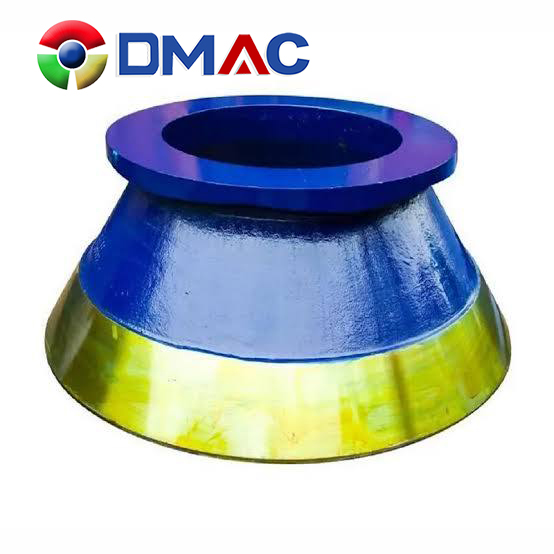
High-chromium cast iron (such as the Cr20–Cr28 series) is the classic choice for crushing high-hardness materials. Its core advantages lie in its extremely high hardness (typically HRC ≥ 58) and excellent wear resistance. Under continuous high-stress abrasive wear conditions, it effectively resists cutting by materials such as granite, ensuring a long service life. It should be noted that its toughness is relatively low; consequently, it is more suitable for compression-type crushing environments with relatively low impact forces (such as cone crushers and certain jaw crushers). If used under conditions of severe impact, there is a risk of fracture.
Modified High-Manganese Steel and Wear-Resistant Alloy Steel Liners
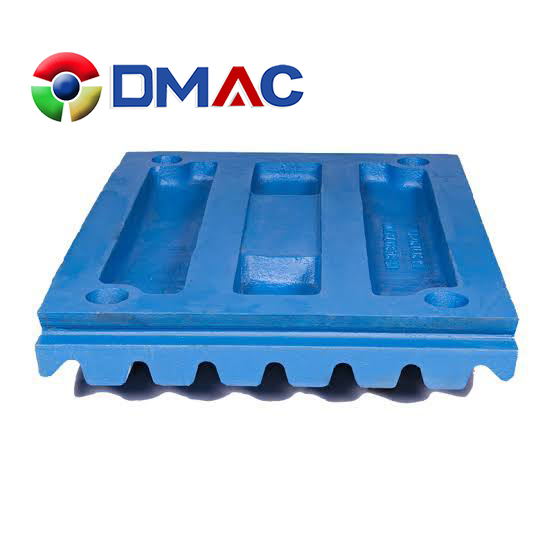
In crushers subjected to significant impact loads (such as jaw crushers and impact crushers), the toughness of the material is of paramount importance. Traditional high-manganese steel (such as ZGMn13) undergoes ‘work hardening’ under impact, thereby becoming harder and more wear-resistant. In contrast, modified high-manganese steel (such as Mn13Cr2) or medium- to low-alloy wear-resistant steel, which contain added elements such as chromium and molybdenum, possess higher initial hardness and yield strength. Their wear resistance is over 40 per cent greater than that of ordinary high-manganese steel, enabling them to better withstand the harsh conditions of both severe impact and high wear.
Ceramic/Composite Ceramic Liners
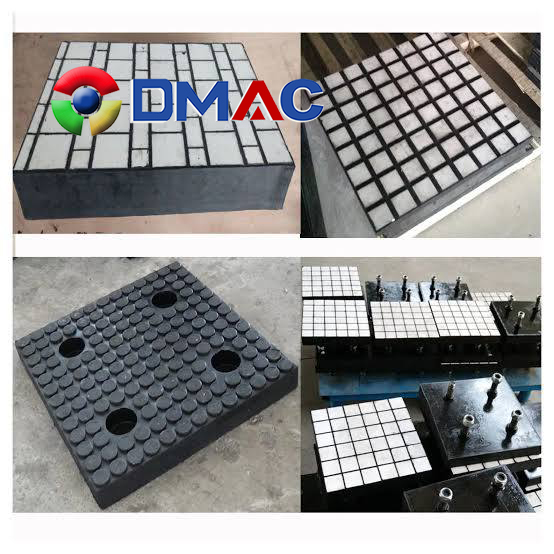
For applications characterised primarily by grinding and extremely high abrasiveness but with low impact forces, ceramic liners provide a superior solution. With an alumina content of over 95 per cent and a surface hardness of HRA 85 or higher, their wear resistance far exceeds that of metallic materials. When handling materials such as quartz, their wear life can be extended by a further 30–50 per cent compared to high-chromium alloy cast iron. To enhance impact resistance, ceramic blocks are typically laminated with rubber and steel plates to form lining plates, which are widely used in equipment such as chutes and fans.
In summary, there is no ‘single best’ lining plate; there is only the ‘most suitable’ choice. For high-hardness materials, it is recommended to first identify the type of crushing equipment and the impact intensity, and then seek professional advice and matching from options such as high-chromium cast iron (high wear resistance, moderate toughness), alloy steel (balanced toughness and wear resistance) or ceramic composites (extremely high wear resistance, resistant to mild impact).
Zhengzhou DMAC Machinery Co., Ltd is specialising in wear-resistant components, such as crusher liners, jaw plates, hammer heads, flat hammers and ball mill liners, all of which are 100% compatible with Metso, Sandvik, Terex and BHM; materials include medium, high and ultra-high manganese steel, wear-resistant alloy steel, and low, medium and high-chromium cast iron; We primarily manufacture and supply wear-resistant castings to the mining, cement, building materials, power generation, aggregate processing and mechanical manufacturing sectors.