About Us
Contact Us
First Rate Service
Research & Development
DMAC Overseas
DMAC Culture
Company Profile
Contact Us
TEL: +86-13523011655
WHATSAPP: +86-13523011655
EMAIL: info@dmroad.com
ADD : Industry Zone, Zhengzhou, China.


Mobile Crushing Plant vs. Fixed Crushing Line: Which Is the Real Money-Maker for Your Quarry?

Choosing the right crushing setup can make or break your project's profitability. In the aggregate, mining, and concrete recycling industries, every operator faces the same dilemma: "Should I invest in a mobile crushing plant, or is it wiser to build a permanent, fixed crushing line?"

Many equipment vendors pitch mobile plants as a "cure-all" for flexibility, while others claim fixed lines are the only way to get a low cost-per-ton.
The truth? Neither is universally better. The right choice depends heavily on your lease duration, internal hauling logistics, and local environmental permits. As experienced machinery manufacturers, we are pulling back the curtain to give you a brutally honest, spreadsheet-driven breakdown.

1. The Core Philosophy: "Equipment to Material" vs. "Material to Equipment"

To make the right investment, look past the wheels and tracks. You need to understand the underlying logistics philosophy of each system.

Mobile Crushing Plants: Bringing the Machine to the Rock

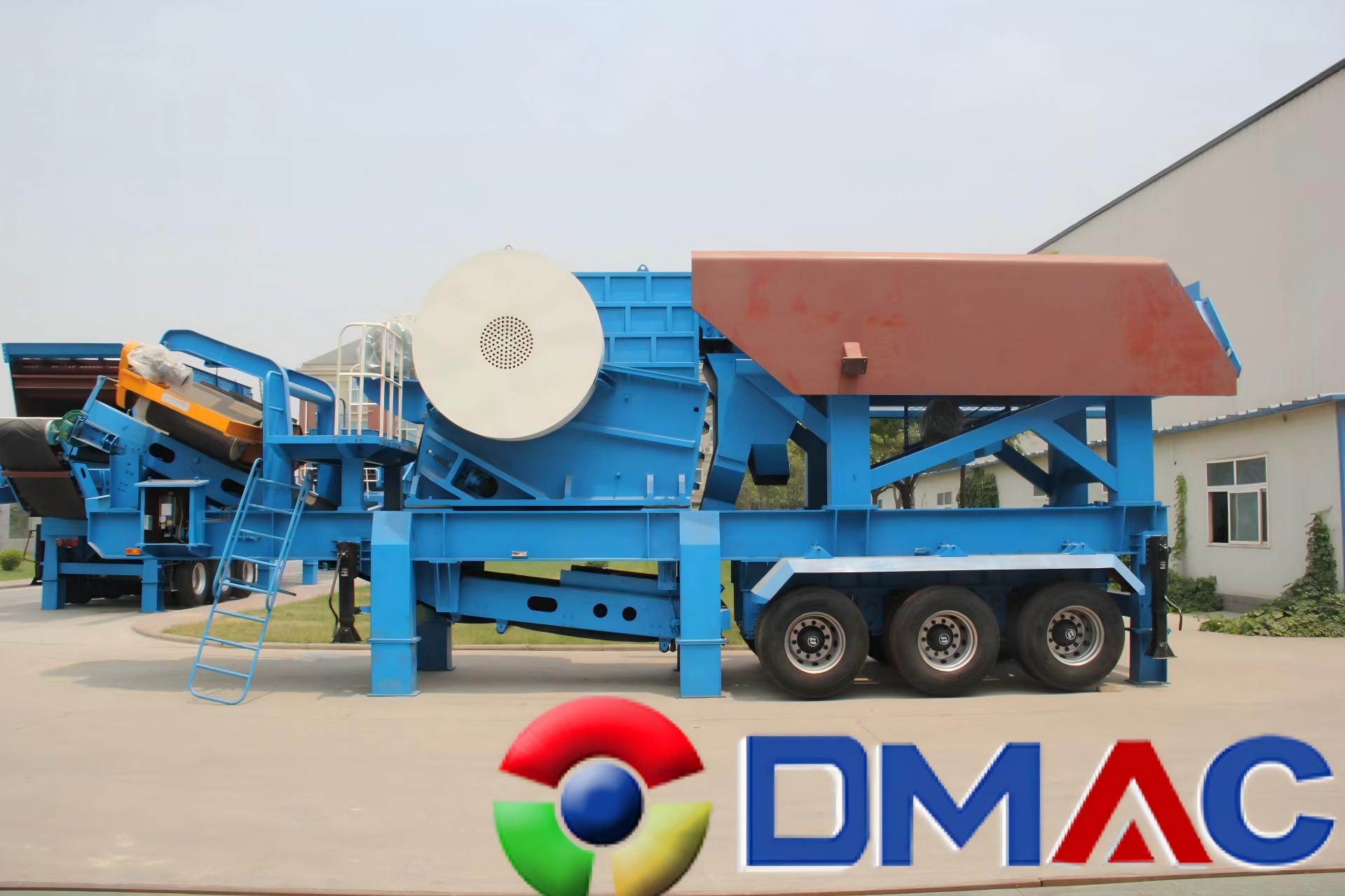
A mobile plant—whether track-mounted or wheeled—integrates feeders, crushers, screens, and conveyors onto a single chassis.

The Philosophy: The equipment goes to the material. As the mining face advances, the crusher moves right along with the excavator.
Best Suited For: Urban demolition recycling, short-term road construction contracts, and site leases under 3 years.

Fixed Crushing Lines: Bringing the Rock to the Machine

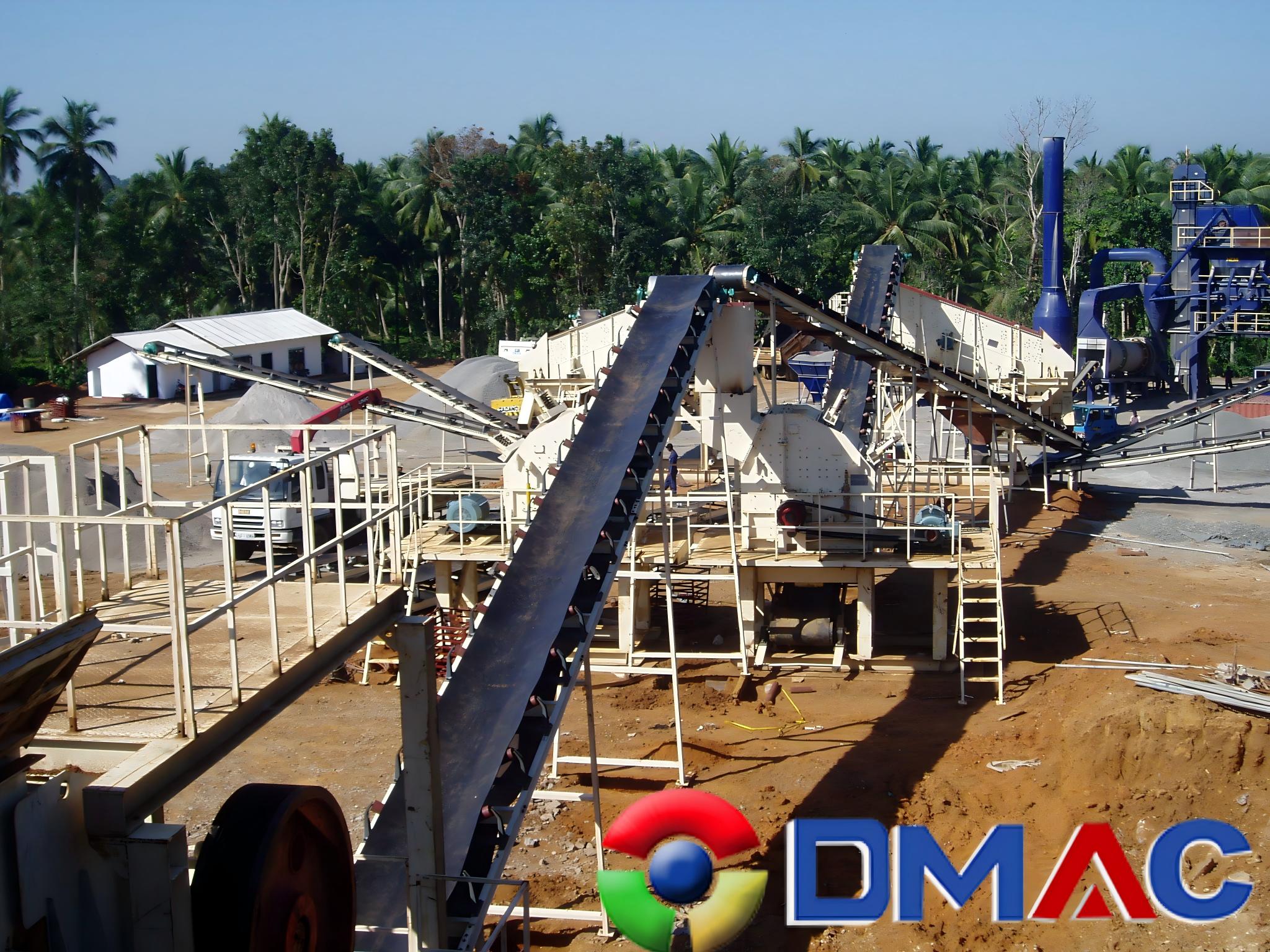
A fixed crushing line requires engineered foundations, permanent steel structures, and a meticulously planned layout.

The Philosophy: The material goes to the equipment. No matter how far your quarry face expands, every ton of blasted rock must be trucked back to this central hub.
Best Suited For: Large-scale commercial sand and gravel quarries with verified reserves lasting 5 to 10+ years.

2. The Real Economic Breakdown (OPEX vs. CAPEX)


Let’s look at the financial realities that show up on your monthly balance sheet, rather than just the initial purchase price.

 
Investment Metric Mobile Crushing Plant Fixed Crushing Line The Industry Reality
Upfront Capital (CAPEX) High machine cost, zero civil engineering. Lower machine cost, high civil engineering cost. For a 200 TPH setup, a mobile unit costs more upfront. However, once you add the concrete, steel structures, and wiring costs to a fixed line, the total initial investment often evens out.
Deployment Speed 2 to 7 Days 3 to 6 Months Mobile units can start crushing and generating cash flow almost instantly. Fixed lines require lengthy site surveys, foundation pouring, and curing times.
Cost Per Ton (OPEX) Moderate to High (Higher parts wear, compact engines). Extremely Low (High efficiency, easy maintenance accessibility). If you plan to run high-intensity, multi-shift operations for years, a fixed line offers a significantly lower wear-and-tear cost per ton.
Site Hauling Cost Nearly Zero (Eliminates internal haul trucks). High (Scales up as the quarry face moves further away). Mobile units eliminate the need for an internal fleet of dump trucks and drivers, saving thousands in diesel every month.
Residual Value / Liquidation High Resale Value (Easy to transport and sell). Zero value for concrete; high dismantling costs.
When a project ends, you can drive a mobile crusher onto a flatbed and sell it or move it. The concrete foundations of a fixed line are buried capital that cost money to demolish.


3. The 3 Hidden Traps Most Buyers Overlook

Before signing an equipment contract, verify how these real-world factors impact your operational reality:

Trap 1: The Permitting and Compliance Nightmare

In today's mining landscape, environmental regulations are strict. Pouring thousands of tons of concrete for a fixed line requires heavy industrial zoning, permanent structural permits, and rigorous environmental impact assessments (EIA). If your land tenure is short or politically sensitive, a fixed line can face months of bureaucratic delays.

The Mobile Advantage: Because mobile crushing units are often classified as operational "machinery" rather than permanent civil infrastructure, they typically bypass complex structural permitting, allowing you to get to work faster and legally.

Trap 2: The "Expanding Distance" Fuel Drain

When operators design a fixed crushing line, they usually calculate the haul truck route based on year one. But as mining progresses, the quarry face moves further away. By year four, your haul trucks might be driving two kilometers round-trip. The compounding costs of truck tires, diesel fuel, and driver wages can quietly eat away at your profit margins. A mobile plant completely bypasses this by crawling right up to the moving rock face.

Trap 3: Maintenance Access and Spatial Realities

Mobile crushers are marvels of engineering, packing massive power into tight dimensions. However, this compact design means tighter spaces for maintenance. Changing out heavy liners or working on hydraulics under a tight chassis during bad weather can challenge your crew. Fixed lines offer spacious walkways, platform stairs, and overhead crane access, making scheduled maintenance faster and safer.

4. How to Match a Setup to Your Site's DNA

At Zhengzhou DMAC Machinery, we manufacture both highly integrated mobile units and heavy-duty components for fixed production lines. We look at your project parameters to recommend the right fit:

When to Choose a DMAC Mobile Crushing Plant:

If you are operating a contractor model, dealing with short-term site leases, or recycling urban concrete, mobility is your greatest asset. We engineer specialized mobile platforms that allow you to adapt on the fly:

For primary crushing of coarse materials: Look into heavy-duty Mobile Jaw Crushers.
For secondary hard-rock reduction (Granite/Basalt): Deploy highly efficient Mobile Cone Crushers.
For medium-hard materials and concrete recycling: Utilize high-reduction Mobile Impact Crushers.

When to Build a DMAC Fixed Crushing Line:

If you hold a long-term, multi-year mining permit and your primary goal is maximizing volume while achieving the lowest possible processing cost per ton, a fixed structure is the ideal choice. We supply individual, high-performance stations to build out your permanent line:

Primary Station: High-throughput PE or JC Series Jaw Crushers.
Secondary/Tertiary Station: High-efficiency HPC Hydraulic Cone Crushers or CS Symons Spring Cone Crushers for precise shape control.
Shaping & Sand Making: VSI Vertical Shaft Impact Crushers to meet strict aggregate specifications.

To help us calculate an accurate cost-benefit analysis and estimated ROI for your specific project, let us know:

What is your target production capacity per hour (e.g., 100 TPH, 300 TPH, 500+ TPH)?
What is the exact raw material you are processing (e.g., abrasive granite, river stone, limestone, or concrete rubble)?
How many years of operation do you expect to get out of this current site?

Contact DMAC Machinery today to get a tailored equipment configuration and blueprint design for your site.
Products
Crushing Equipment
Screening Washing
Feeding Conveying
Mobile Crushing Plant
Beneficiation Equipment
Spare Parts
Jaw Crusher Spare Parts
Cone Crusher Spare Parts
Impact Crusher Spare Parts
Crusher Spare Parts List
Navigation
Company Profile
News & Blog
Service & Support
Contact Now
DMAC Industrial